Looking back on my time at GAIA Exploration, it never feels like an ordinary internship. It feels more like an accidental journey into another world.
If I had to choose a genre for this story, it would probably be a work of realist mining science fiction.
There were no spacecraft and no aliens. The protagonists were mineral resources hidden behind mountains, rock layers and strings of coordinates; the “magic” was a set of AI technologies that is changing traditional mineral exploration.
The main character was a mining student who had just walked into GAIA’s office.
That person was me.
01My First Days at GAIA
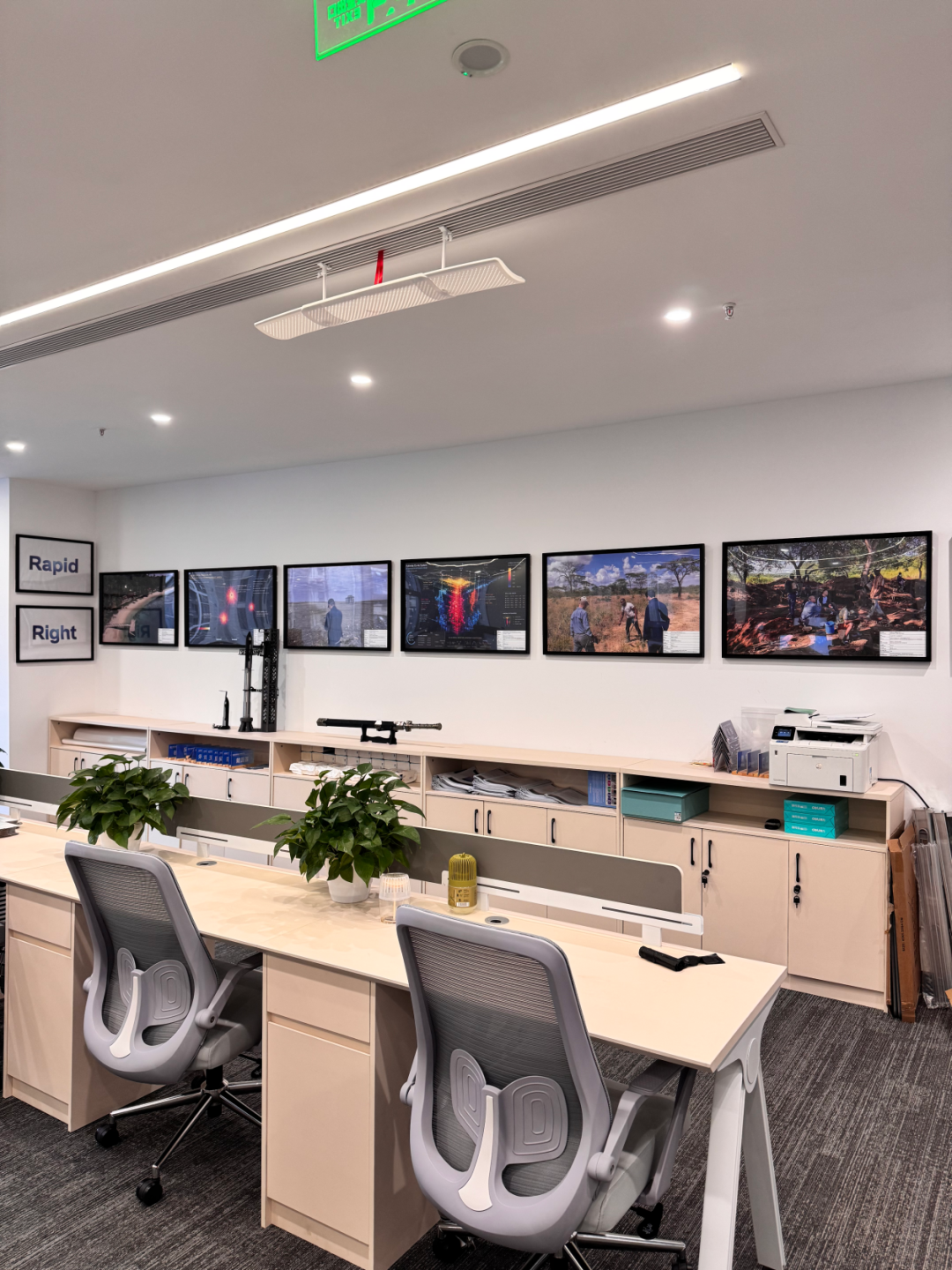
I was a little surprised the first time I entered GAIA Exploration’s new office.
It was simple, bright and technological, without the heaviness I associated with a traditional mining company. The world map on the wall, project documents and information from overseas mining areas made me realize for the first time just how close “mining” could be to the wider world.
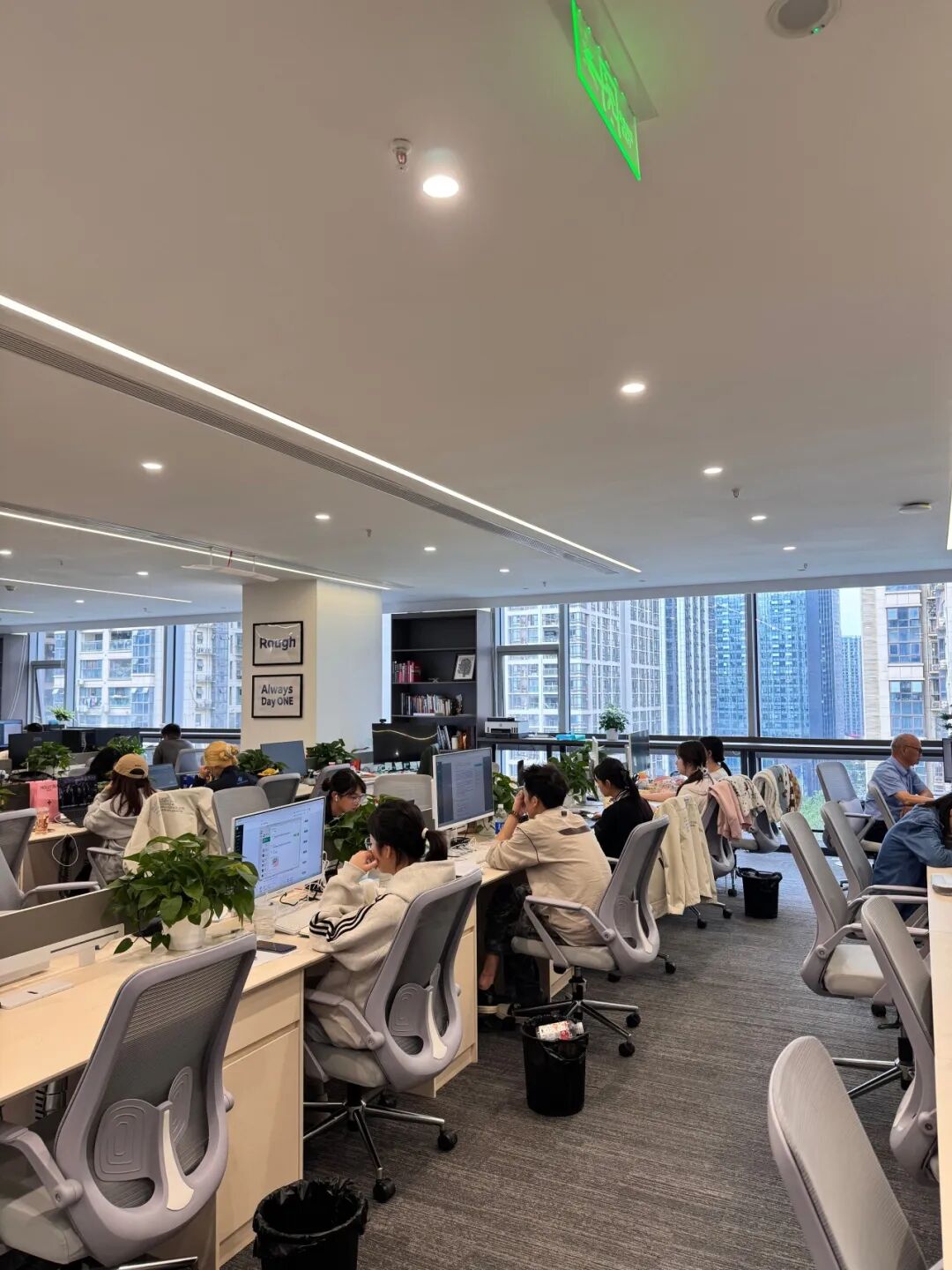
My colleagues were also different from what I had imagined.
Everyone was friendly, but the pace was fast. English-language materials, mineral-rights information, project reports and meeting records filled one screen after another. At first, I mostly handled work that did not appear especially important: editing documents, organizing materials, translating between Chinese and English, and taking meeting minutes.
At the time, I even thought I was simply “helping to get things done.”
Only later did I gradually discover that real growth is often hidden in these unremarkable tasks.
One set of meeting minutes might relate to an overseas mining project. Behind one exploration report might lie a concession covering dozens of square kilometres. A single English phrase might affect how professionally the company presents itself. An apparently routine business meeting might connect mine owners, investors and partners from different countries.
I began working with project materials frequently, and started searching, reading and organizing exploration reports, JORC documents and other technical material.
At first, specialist terms left me confused; later, I could roughly understand what a project was trying to accomplish. I moved from caring only whether a sentence had been translated accurately to thinking about how it should be expressed in financing materials, business communications or a technical report.
That is how my field of vision opened, little by little.
02Understanding the Business
What truly helped me understand GAIA was meeting after meeting.
I recorded discussions on different projects and gradually came to understand the company’s business logic: how AI enters traditional mining; how it analyses multisource data from geology, geochemistry, geophysics, remote sensing and drilling; and how agents and models can further automate workflows that were once highly complex.
Much of the time, I simply sat and listened.
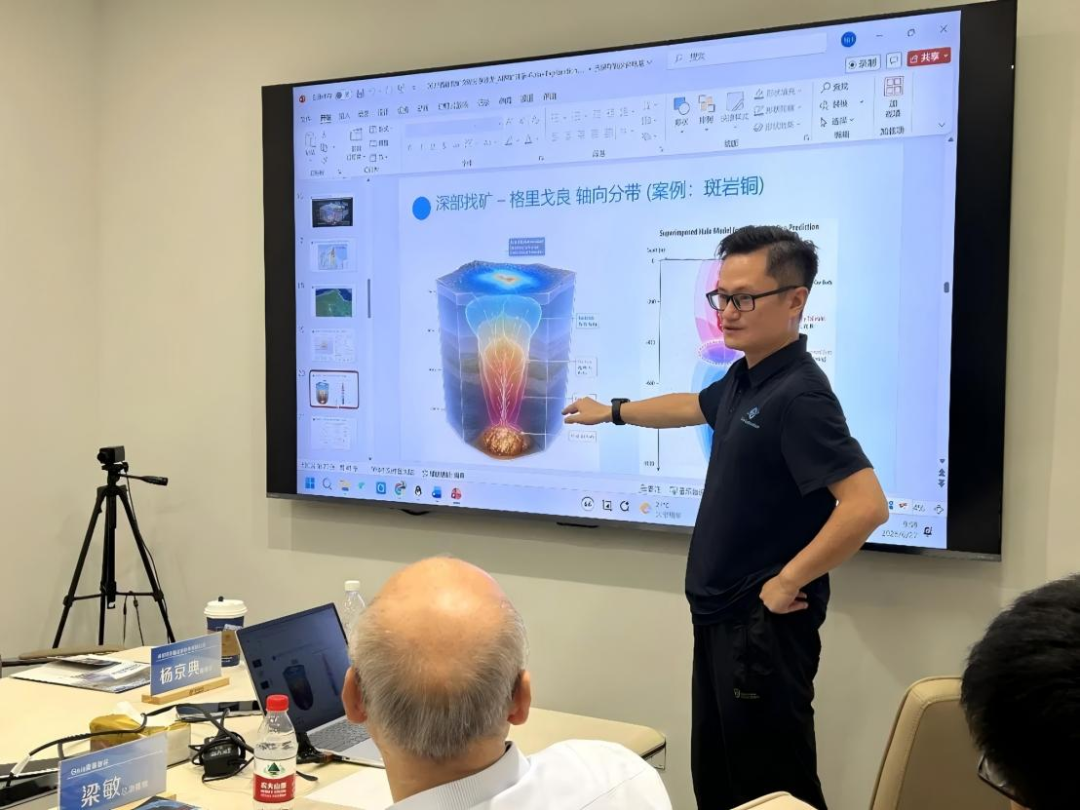
But the more I listened, the more I realized that meeting minutes are not simply a record of “who said what.”
You need to know what matters, what constitutes a decision, what represents project progress and what must happen next.
I began to move from “recording meetings” to “understanding meetings.”
Through that process, I realized for the first time that a company’s business model is not merely a few sentences on a PowerPoint slide. It is embedded in the projects, clients and decisions that take place every day.
What impressed me most about GAIA was its view of mining’s future.
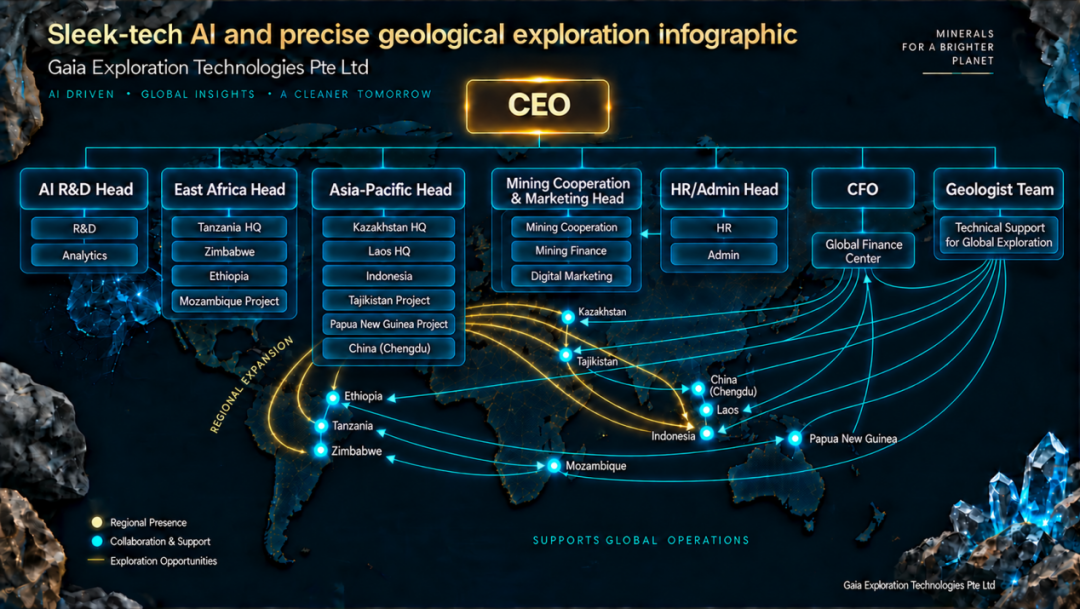
The company does not limit its business to one country. From Central Asia to South America, and from Africa to Indonesia, overseas projects and partnerships continue to develop. Clients from different countries, working with different commodities and under different models, are connected by an invisible line.
At the other end of that line was something I had rarely encountered before: the international mining world.
Learning to Coordinate
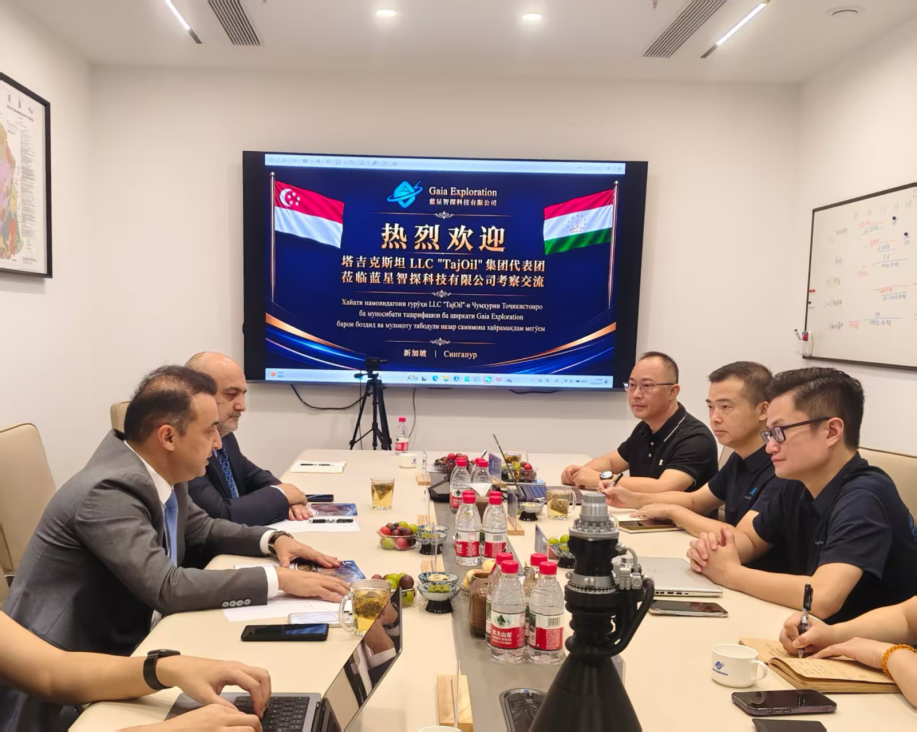
In the second half of my internship, I became more involved in receiving business visitors.
The seniority of the clients also increased.
They ranged from local mining practitioners in China to mine owners and overseas mining investors, and then to major clients in the energy sector and international partners.
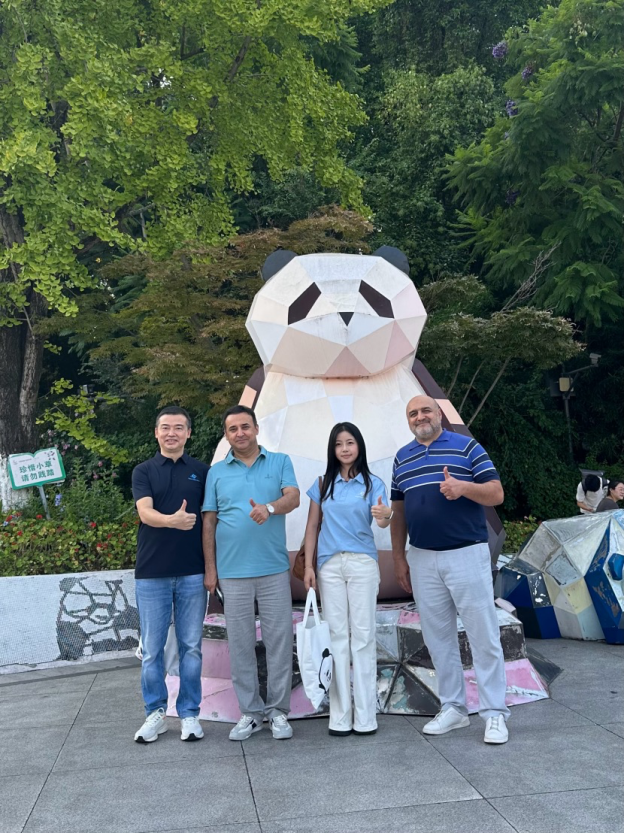
When I first helped receive visitors, I carefully checked the materials on the table, refreshments and meeting schedule. Later I began helping to plan itineraries, prepare client information, coordinate meeting arrangements, and even pay attention to meals and follow-up communication.
I gradually understood that business reception is never simply about “taking good care of guests.”
It tests a person’s powers of observation, communication and execution, as well as the ability to coordinate the whole process.
Sometimes a meeting lasts only two hours.
But those two hours may require several days of preparation.
Through repeated cycles of preparation, execution and review, I slowly learned how to make a task complete from beginning to end.
04My First Experience with AI Mineral Exploration
If those experiences introduced me to GAIA, the AI mineral prospectivity competition introduced me to myself.
When I first entered the competition, I was starting almost from zero in AI mineral exploration.
Geological information, coordinates, remote-sensing data and project reports suddenly appeared in front of me all at once.
I began researching them one piece at a time.
What is greenfield exploration?
What is mineral prospectivity analysis?
How should I understand a project’s geological setting?
How should I explain my requirements to AI?
And how could I make AI more than something that merely “answers questions”—how could it become a tool that genuinely helps complete the work?
So I began experimenting.
I moved from initial uncertainty to gradually building my own analytical process, organizing and coordinating competition materials, working with the technical department, and following scoring and award arrangements. For the first time, I experienced the entire process of taking something from “I do not know how” to “I made it happen.”
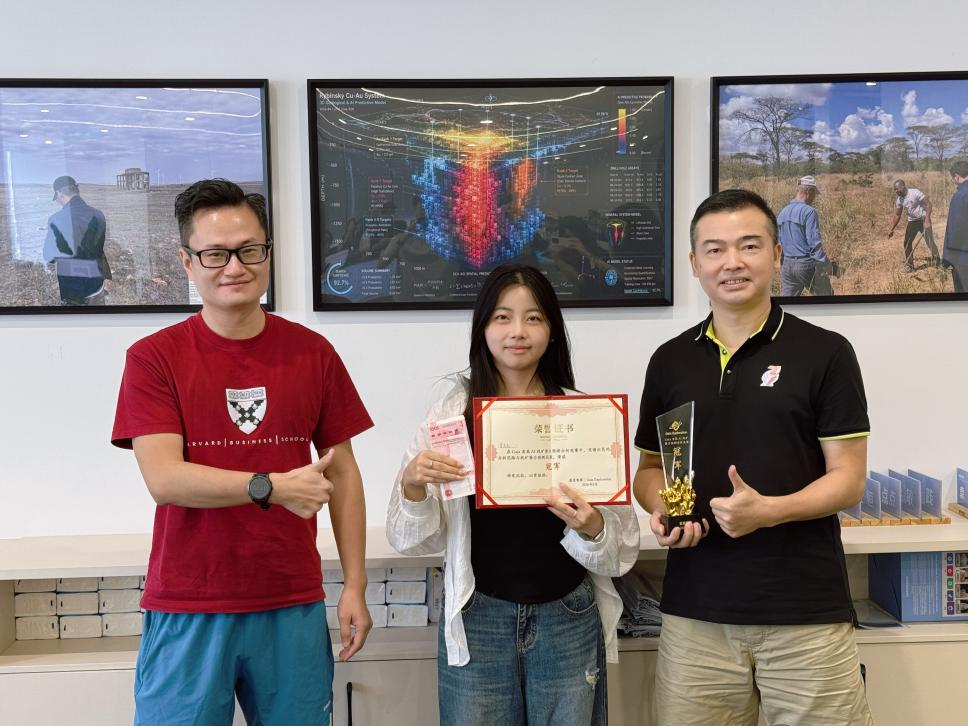
In the end, I won first place.
Looking back, first place certainly made me happy.
But more important than the ranking was what I truly felt for the first time:
AI is not a distant concept.
When you know your goal and can tell AI exactly what you need, it can gradually change from a chat tool into a genuine intelligent tool.
That may be the deepest lesson GAIA left with me.
I turned a challenge into a result and earned a first place of my own.
05Going Further
When the internship ended, I suddenly realized that I was no longer quite the same person who had arrived.
I was still a student of mining.
But I had begun to see business value in a project, project logic in a report and opportunities for cooperation in a meeting. I was also beginning to understand “mining” from a broader perspective.
Before, mining existed mainly in textbooks and classrooms for me.
Later I learned that the real mining world is far more complex than any textbook.
It connects geology, technology, capital and international trade, as well as different countries, cultures and people.
GAIA allowed me to stand at the entrance to that world for the first time and see farther.
I do not know whether I will return to this office in the future.
But I do not think I will forget it.
I will not forget my surprise when I first entered the new office, the line of English on the screen during late-night revisions, the ideas that became clearer after every meeting, or the joy of seeing “first place” at the end of the AI exploration competition.
Above all, I will not forget that, for a time, I worked seriously alongside a group of people who believe technology can change traditional industries.
Mines lie underground, and answers are hidden deep in the rocks.
Perhaps the growth of young people is much the same.
None of us knows where the next stop will be.
But as long as we are willing to take another step toward the unknown, the story will not end.
AuthorAbout the Author
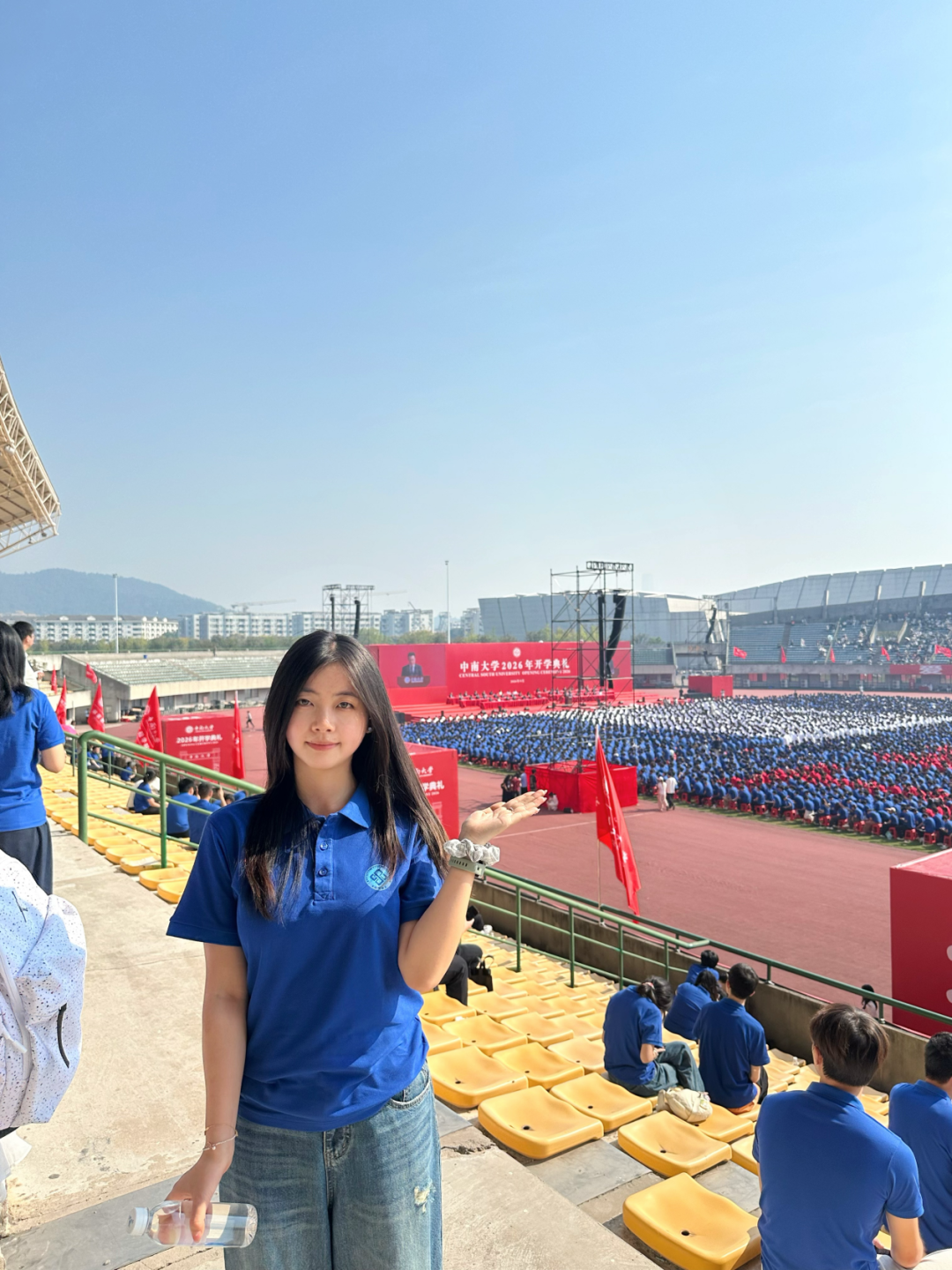
Li Diandian is from Anshun, Guizhou, and is a member of the Communist Party of China. She earned her bachelor’s degree in Mineral Processing Engineering at China University of Mining and Technology (Beijing) and is now pursuing a master’s degree in Mining Engineering at the School of Minerals Processing and Bioengineering, Central South University. As an undergraduate, she actively participated in research innovation and social practice, led a university-level student innovation and entrepreneurship project, joined a Challenge Cup open-challenge project that won the national grand prize and champion title, received a gold award in the China International College Students’ Innovation Competition, and published a paper in a core journal as third author. During her graduate studies, she will continue to focus on efficient mineral-resource utilization and mineral processing, strengthen her professional foundations and research abilities, and keep learning and growing while exploring greener and more efficient uses of mining resources.