
Southeast Asia
Indonesia, Laos and Cambodia: porphyry copper-gold systems, hydrothermal gold, brownfield expansion and blind mineralization.
GAIA combines multimodal geoscience data, metallogenic system modeling, 4D geological inversion, drill optimization and expert validation to help mining companies, concession holders and investors discover critical minerals faster, earlier and with lower exploration risk.
Better decisions. Earlier stages. Lower risk. GAIA does not “predict deposits” as a black box; it builds testable subsurface hypotheses from data, geology and human judgment.

GAIA combines geoscience data, physics-constrained AI and expert judgment to identify and rank high-potential targets.
GAIA combines AI-assisted targeting, geological expertise and staged field validation to advance exploration for gold, copper, nickel, tantalum-niobium and polymetallic projects. Our portfolio and regional partnerships turn geological insight into testable exploration targets.
Shallow and easy-to-detect deposits are declining, while the energy transition increases demand for copper, gold, nickel, lithium, rare earths and other critical minerals.
They may be preserved below cover, inside deep structures, within hydrothermal alteration systems, between multiple metallogenic events, or below known shallow mineralization.
Each project strengthens the next one through a data and feedback flywheel.
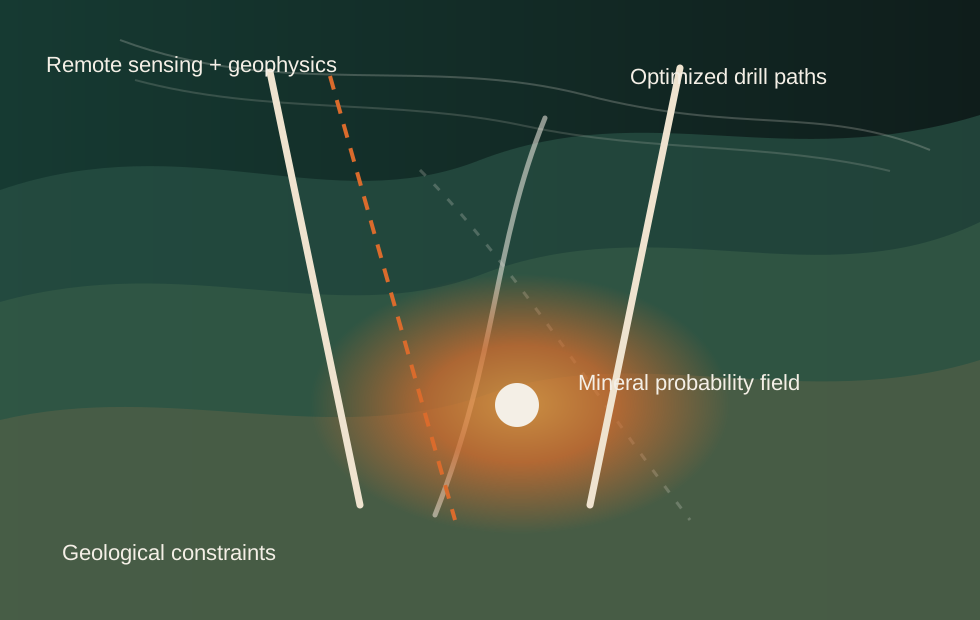
Remote sensing, geophysics, geochemistry, DEM, drilling, regional geology, historical reports, mine data and global geoscience databases enter one interpretation framework.
Model factories combine deep learning, pattern recognition, denoising, normalization and model search to reveal relationships that manual review can miss.
Metallogenic systems theory and geological mechanisms generate interpretable mineralization probability fields and ranked targets.
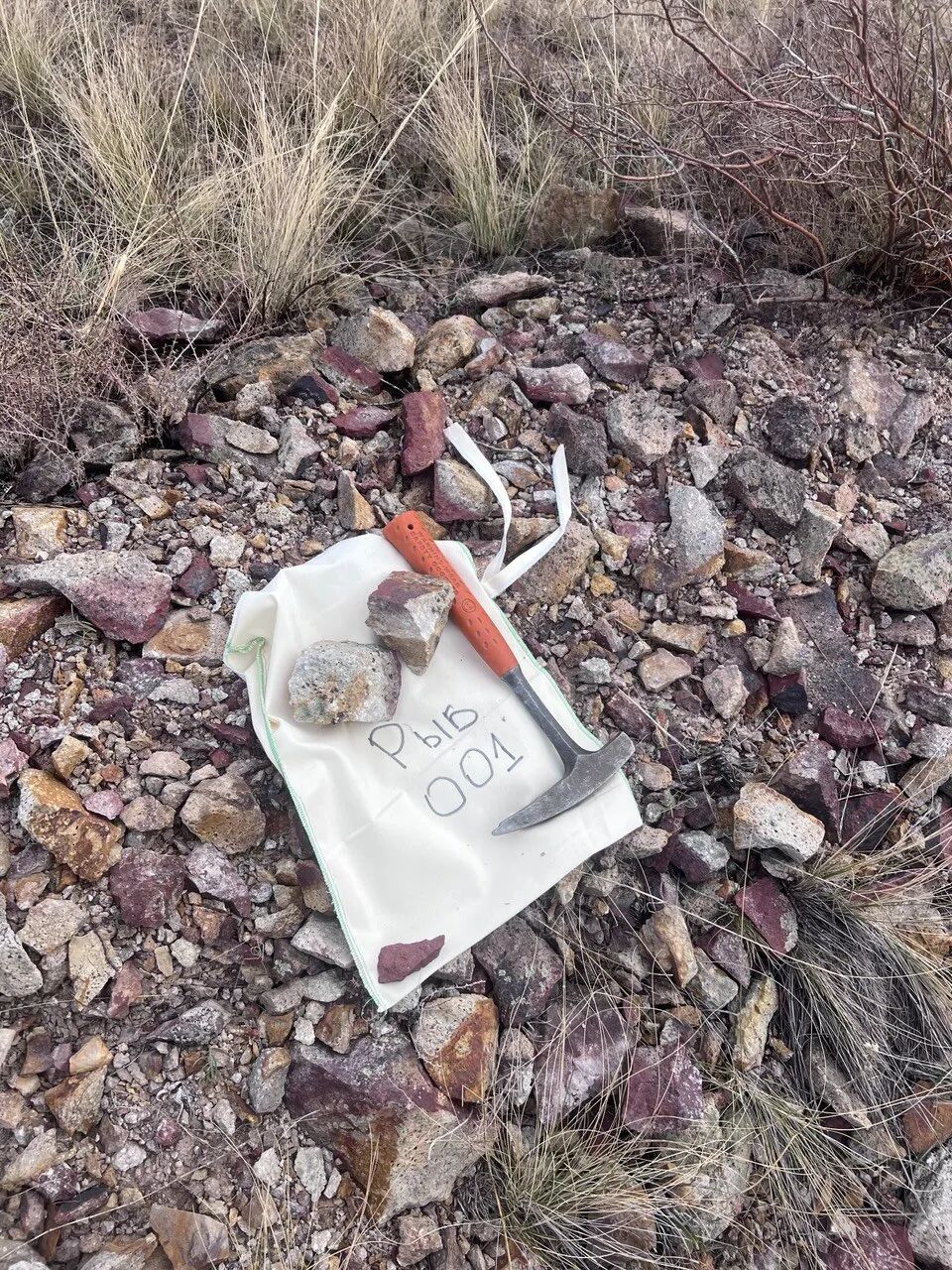
Sampling, geophysics, trenching, drilling and field geology test AI-generated hypotheses in real geological settings.
New drill results and field conclusions flow back into the system to improve future project judgment.
GAIA’s project network is not only a map; it is the foundation for data accumulation, resource access and long-term discovery capability.
Indonesia, Laos and Cambodia: porphyry copper-gold systems, hydrothermal gold, brownfield expansion and blind mineralization.

Zimbabwe, Mozambique and Tanzania: shear-zone gold, tantalum-niobium, data-sparse terrains and concealed resources.
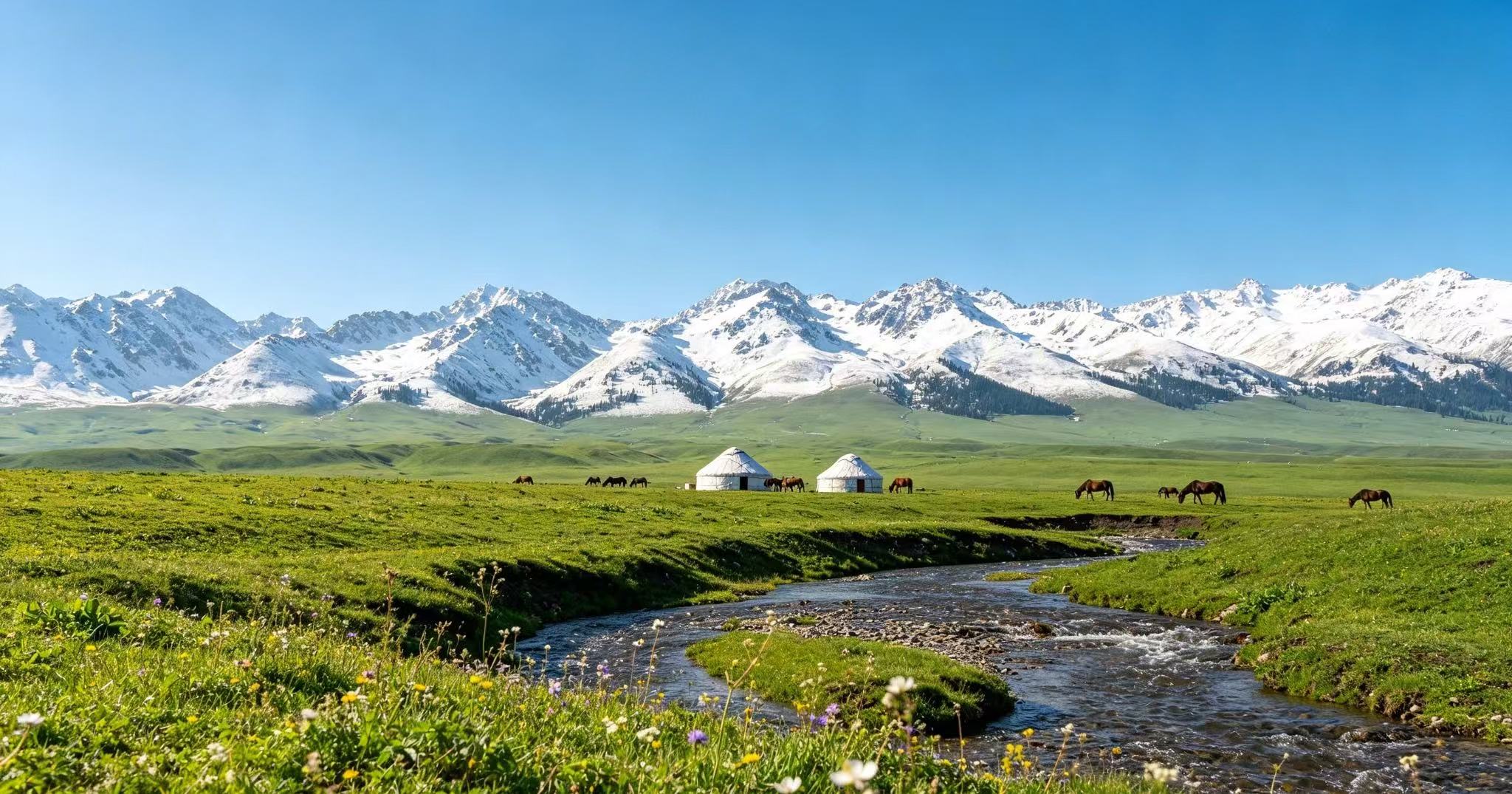
Kazakhstan, Tajikistan and Uzbekistan: copper, gold, antimony, remote sensing and geophysical anomaly interpretation.
GAIA combines AI with expert geological judgment to shorten selected analytical workflows—from days or months under conventional methods to just tens of minutes—while reducing unproductive drilling and repeated trial-and-error.
| Exploration Stage | Conventional Exploration Approach | GAIA AI-Enabled Exploration Approach |
|---|---|---|
| Preliminary Screening | A 3–5-person team conducts field reconnaissance and sampling. Typical duration: approximately 3 months. | Cross-validating remote-sensing data with AI mineral prospectivity models. Typical duration: approximately 20–50 minutes. |
| Geochemical Analysis | Geologists conduct integrated interpretation following sample analysis. Typical duration: approximately 3–5 days. | Assessing deep mineral prospectivity and estimating the potential scale of mineralization. Typical duration: approximately 5–10 minutes. |
| Geophysical Analysis | Data processing and interpretation rely heavily on expert geophysical and geological judgment. Typical duration: approximately 3–7 days. | Rapidly processing and inverting multi-source geophysical data to support the identification of potential mineralized zones. Typical duration: approximately 5–10 minutes. |
| Drilling Optimization | Drillhole locations and drilling sequence are determined primarily by experience, often leading to unproductive drilling and repeated trial-and-error. | Dynamically optimizing drillhole locations and drilling sequence, potentially reducing time by up to 50% and costs by up to 60%. |
Note: The figures above are indicative values based on typical project scenarios. Actual performance may vary depending on the target commodity, project stage, data completeness, and site conditions.
Updates on AI-driven mineral exploration, greenfield targeting, project evaluation and critical-mineral resource discovery.
Geological data are among the most important core assets of mining companies and geological exploration organizations. Introducing geoscience large models and agents while protecting data boundaries and security is becoming a central question in the industry’s digital transformation.
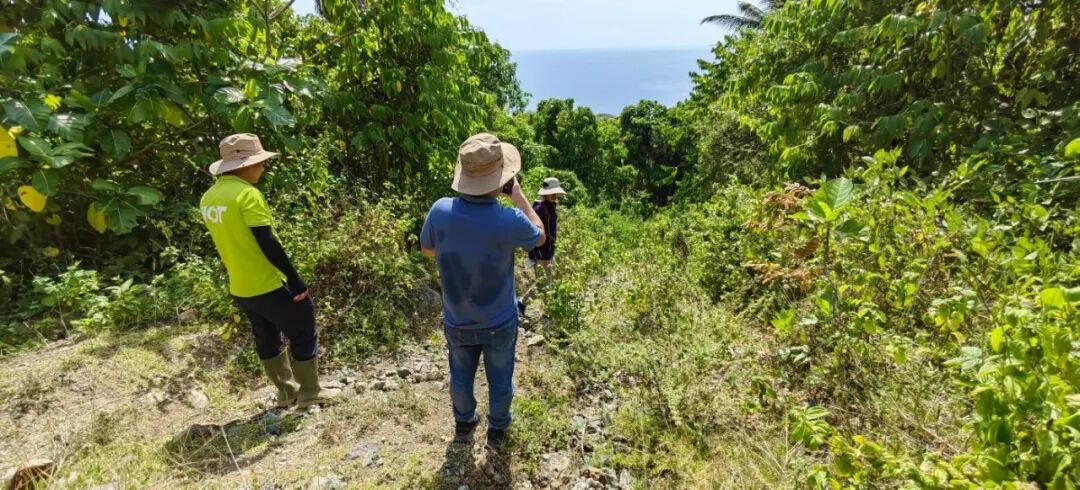
Mineral exploration is fundamentally a decision process that approaches the underground reality through incomplete information. Outcrops, geochemical and geophysical anomalies, remote-sensing features, drilling data and historical reports provide different windows into the subsurface, but they rarely point naturally to the same conclusion. In deep, covered and structurally complex settings in particular, the real difficulty is not obtaining more data. It is deciding which evidence is trustworthy, how different evidence constrains one another, and whether the next task can reduce the uncertainty that matters most.
AI is changing the way mineral exploration works; professional judgment and field verification still determine whether research can become reliable exploration action.
GAIA is building a next-generation AI-driven mineral discovery system through real projects, multisource data, expert validation and field feedback.