Kazakhstan Rybinsky Project
Context
Located in the Bukhar-Zhyrau District of Karaganda Region, Kazakhstan, the project lies within an accretionary arc and regional shear-zone setting associated with the Central Asian Orogenic Belt. The area contains favourable features including magmatic-hydrothermal activity, mineral-controlling structures, volcano-sedimentary host rocks and potential carbonate contact zones.
AI Interpretation
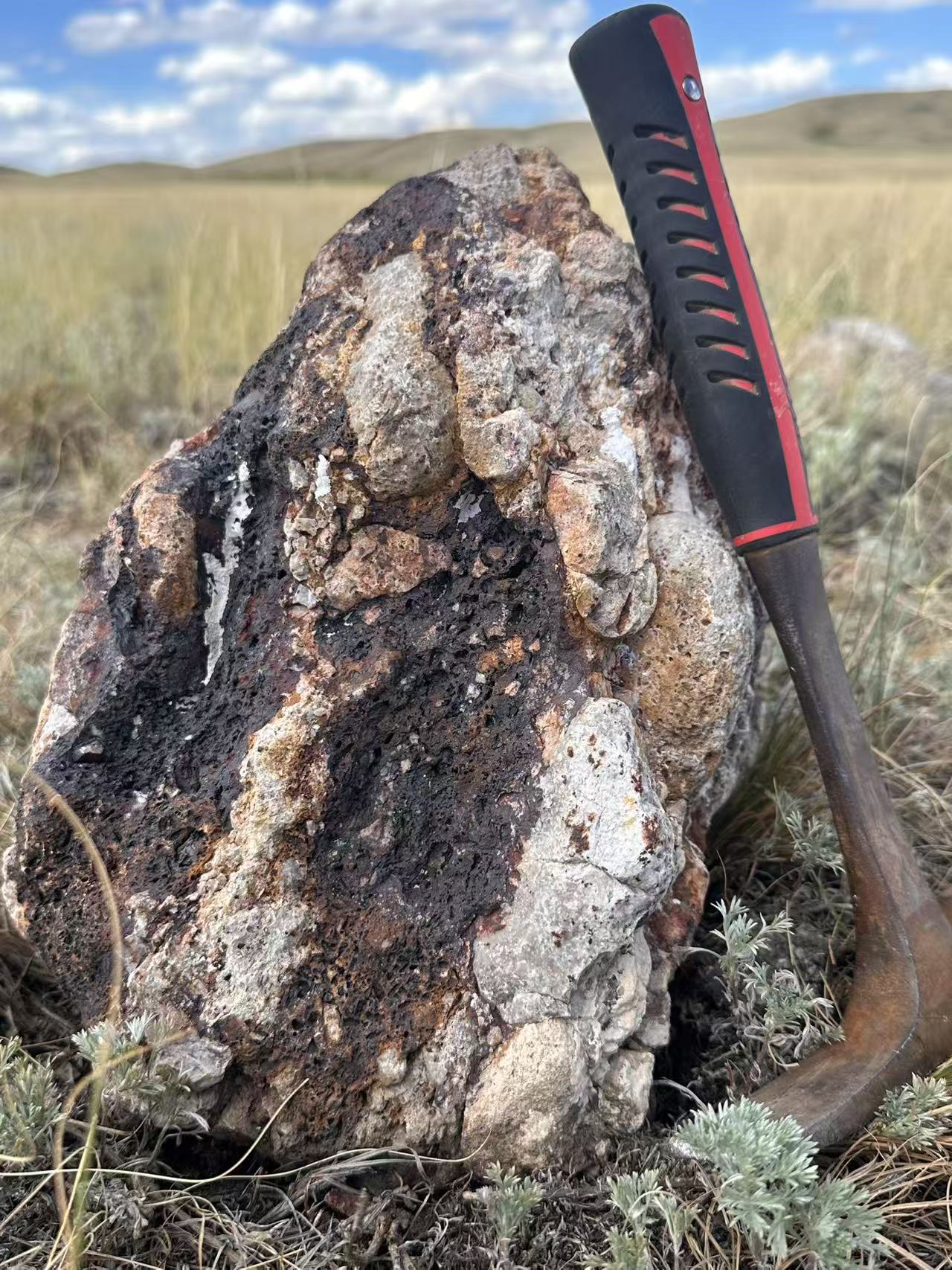
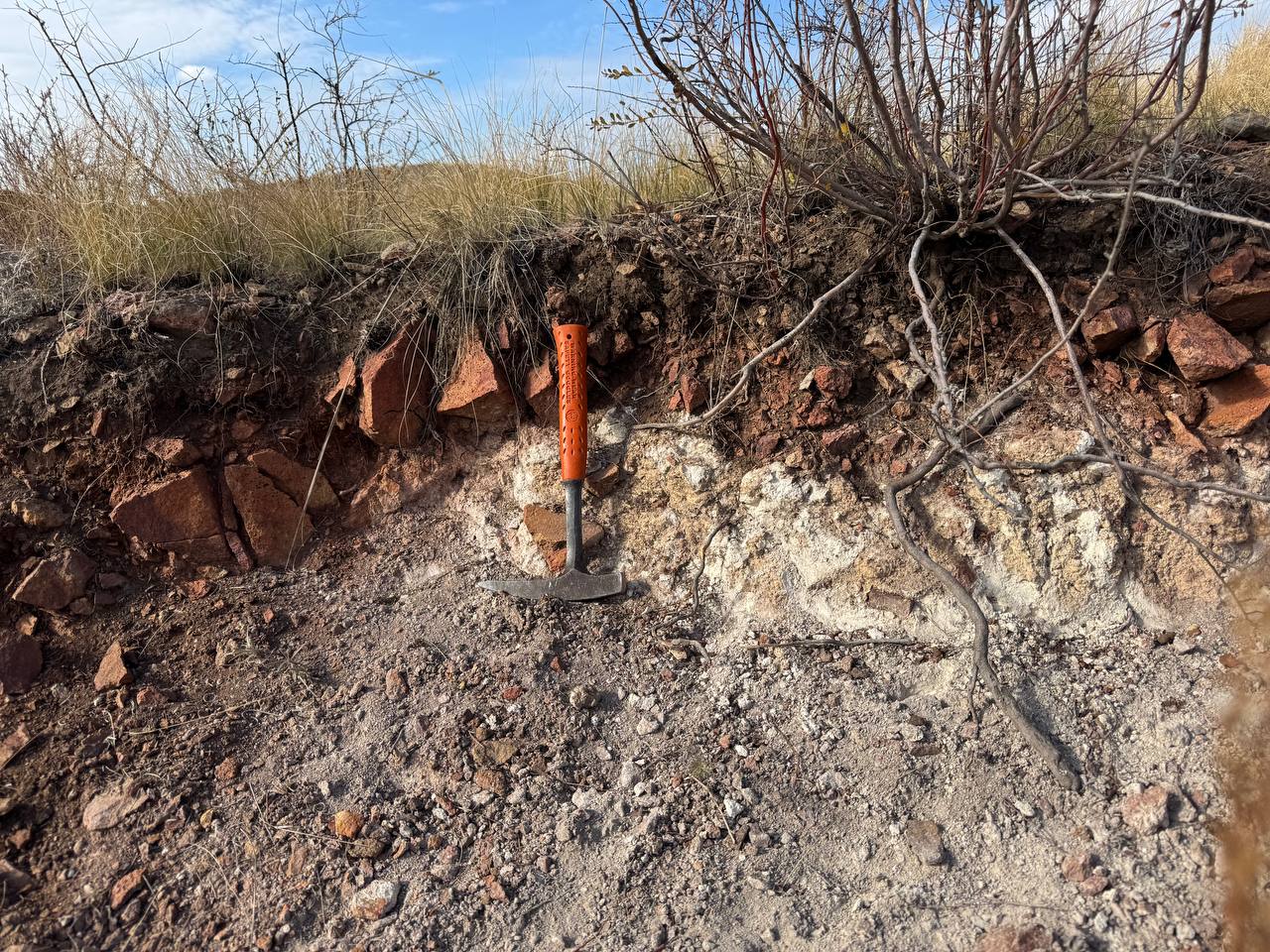
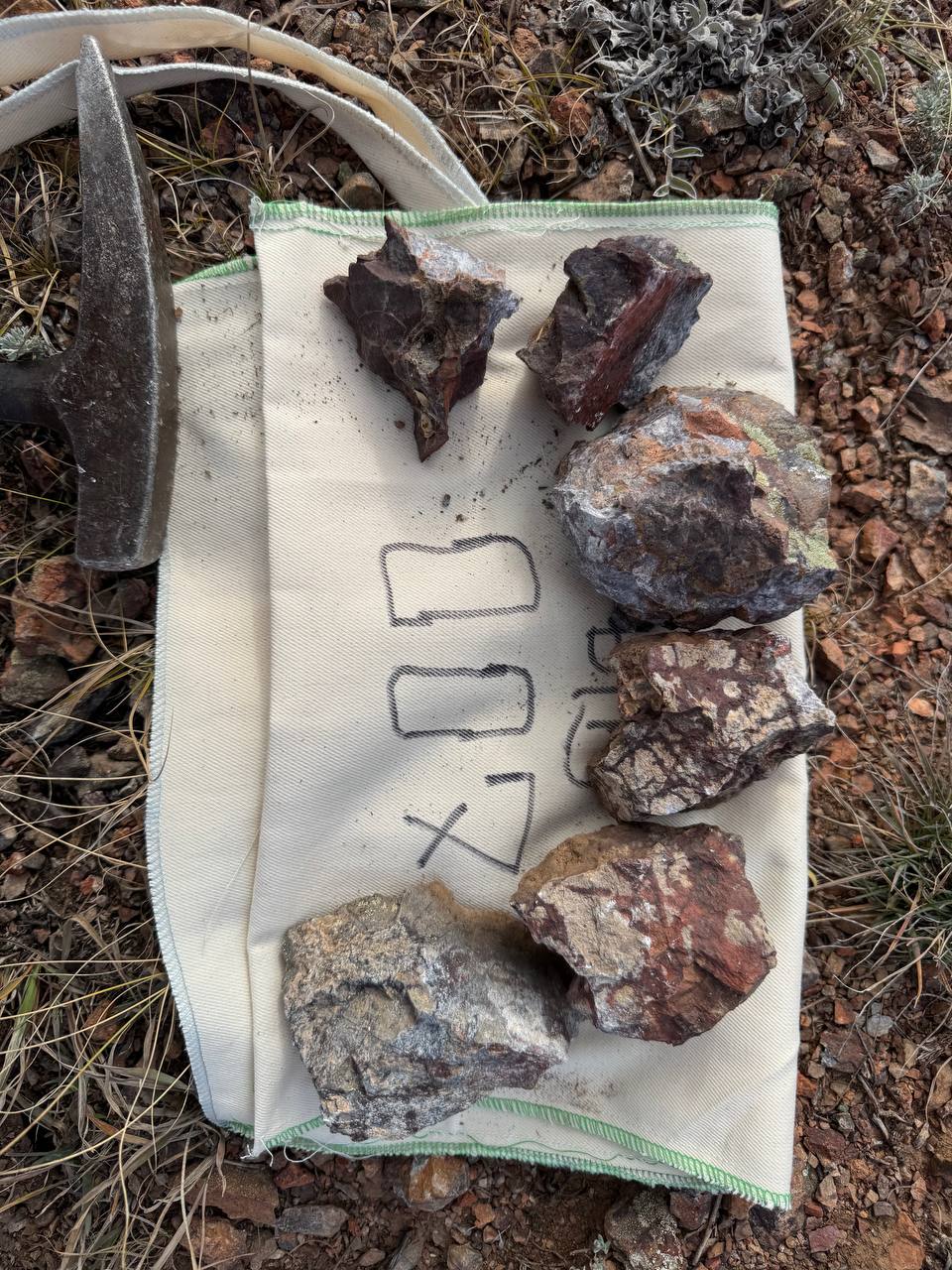
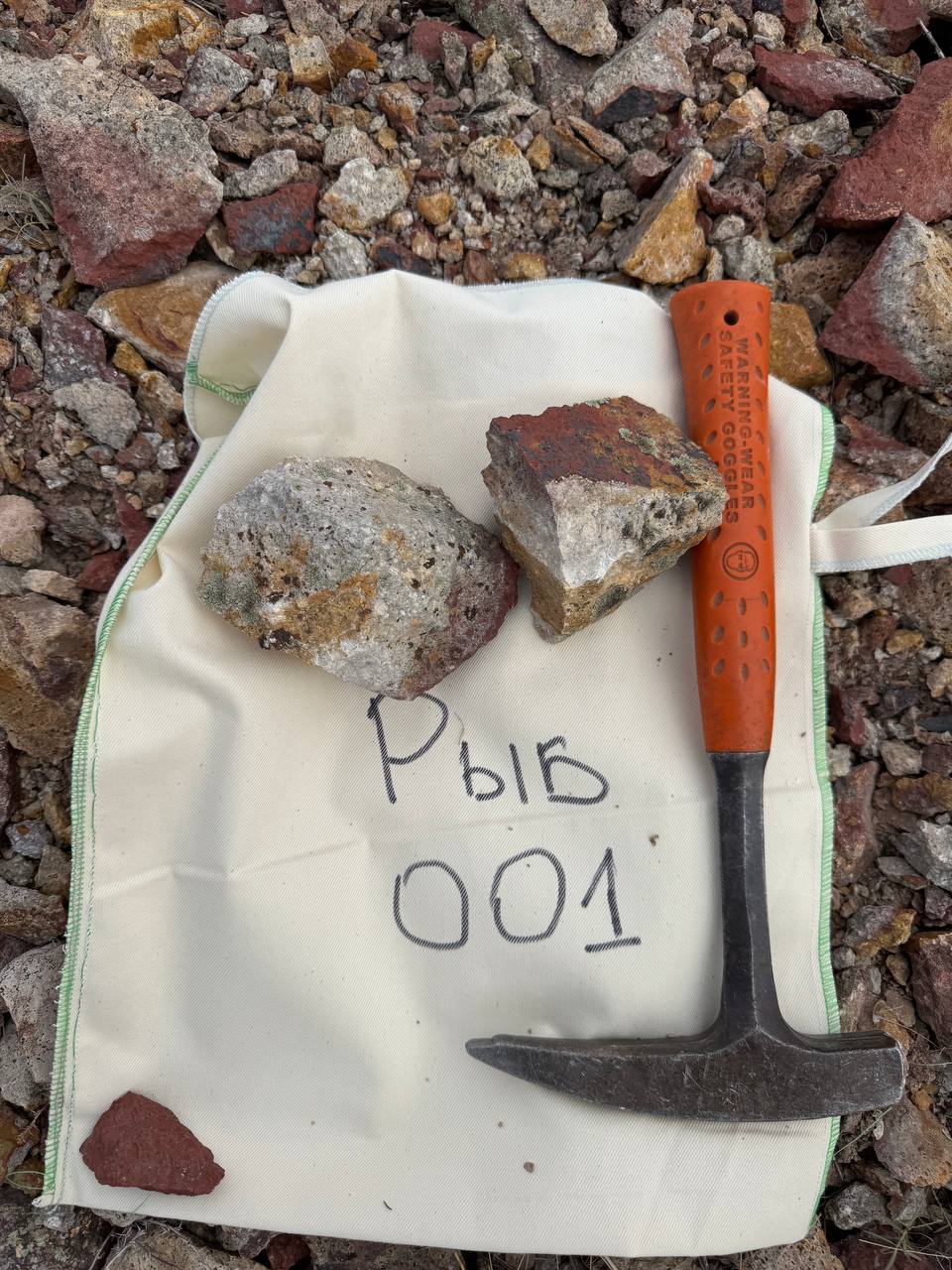
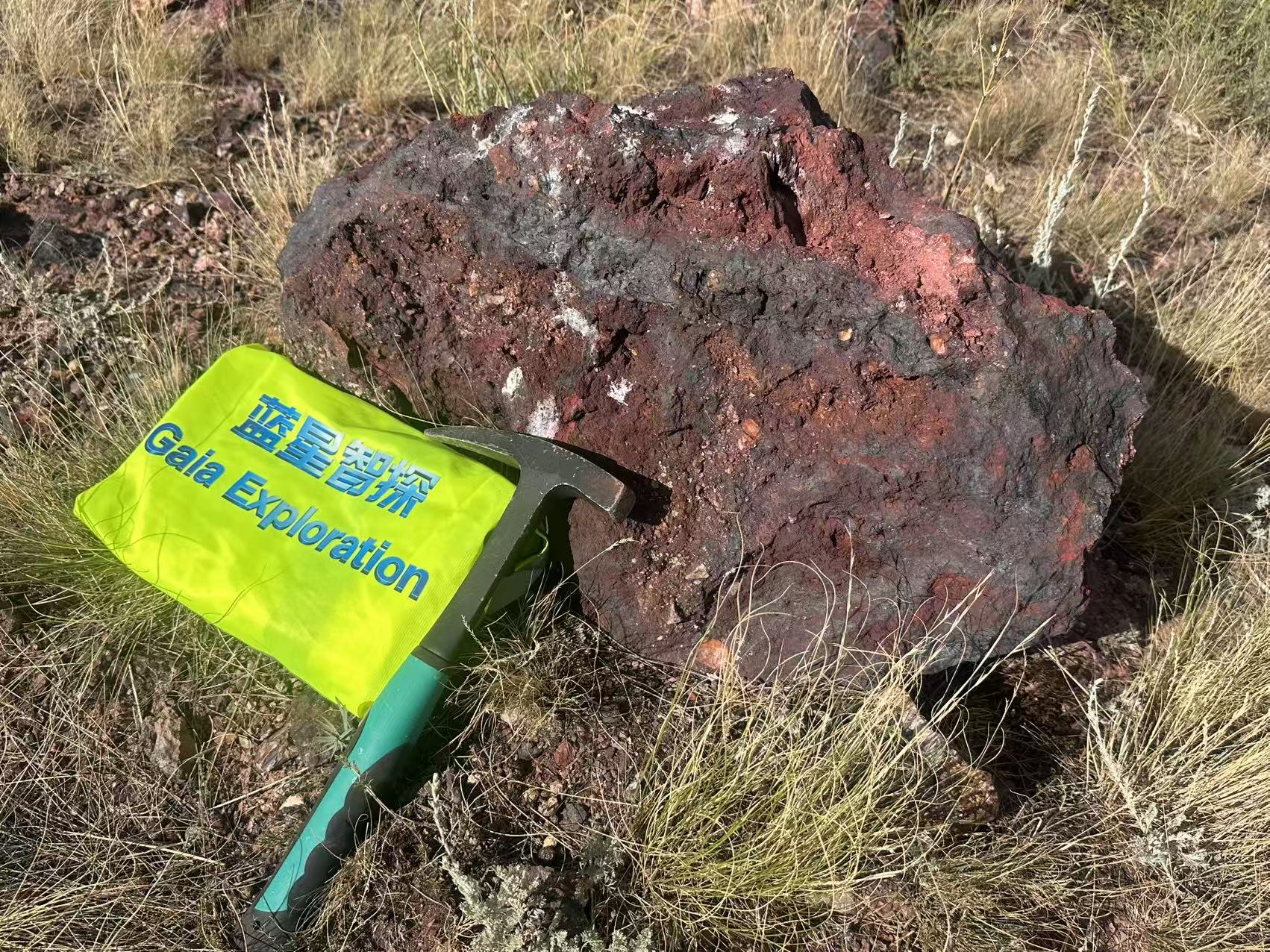
GAIA integrates remote-sensing alteration anomalies, structural interpretation, historical geological data and field observations to interpret the porphyry-skarn copper-gold system. Key evidence includes iron staining and gossan, phyllic alteration, silicification, propylitic alteration, mineral-controlling faults and the distribution of D-type veins.
Subsurface Hypothesis
Areas where multiple alteration and structural anomalies overlap may overlie a deeper porphyry copper-gold centre and copper-rich stockwork zones. Peripheral carbonate contacts may host skarn-related copper-gold mineralization, while shallow gold mineralization may occur within the upper or lateral parts of the system.
Exploration Value
The project demonstrates GAIA’s ability to convert AI-generated targeting into field geological validation, geophysical survey design and three-dimensional constraint of subsurface targets, supporting high-resolution magnetic surveys, 3D induced polarization and subsequent engineering verification.
.jpg)
.jpg)
.jpg)
.jpg)