Innovation Gathers in Suzhou
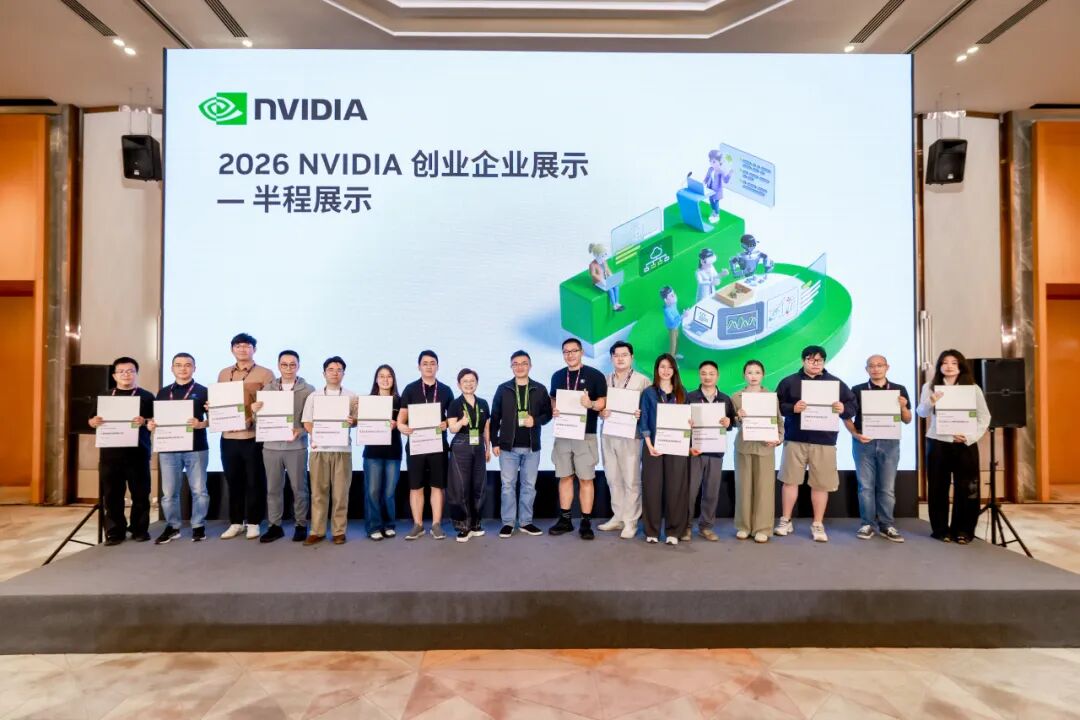
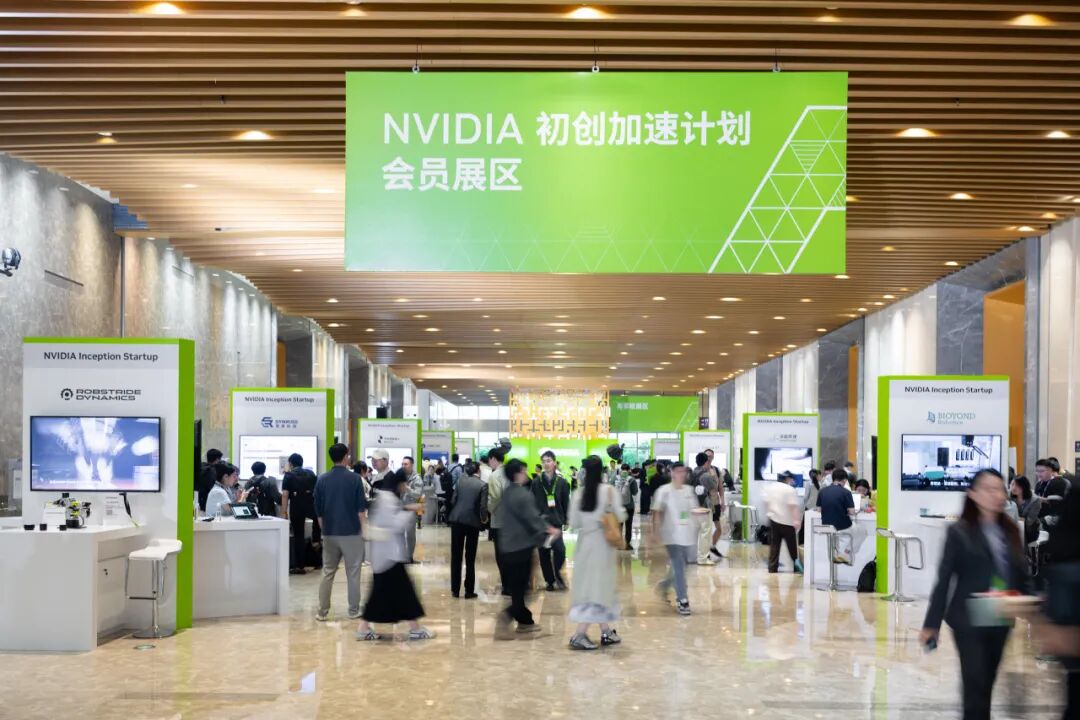
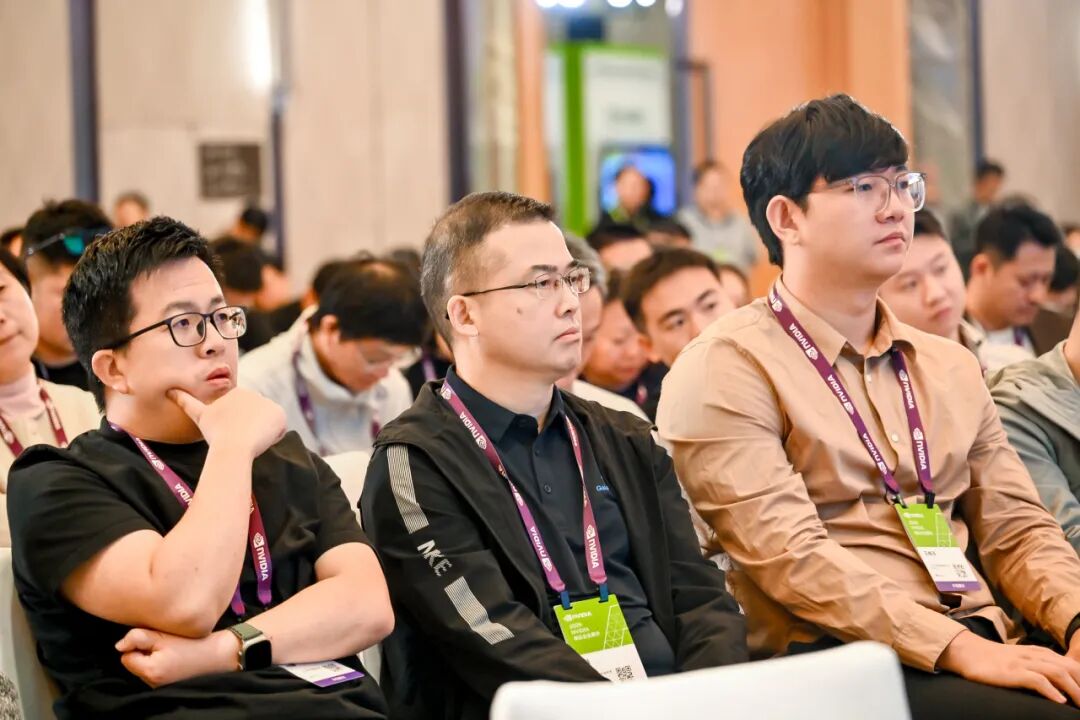
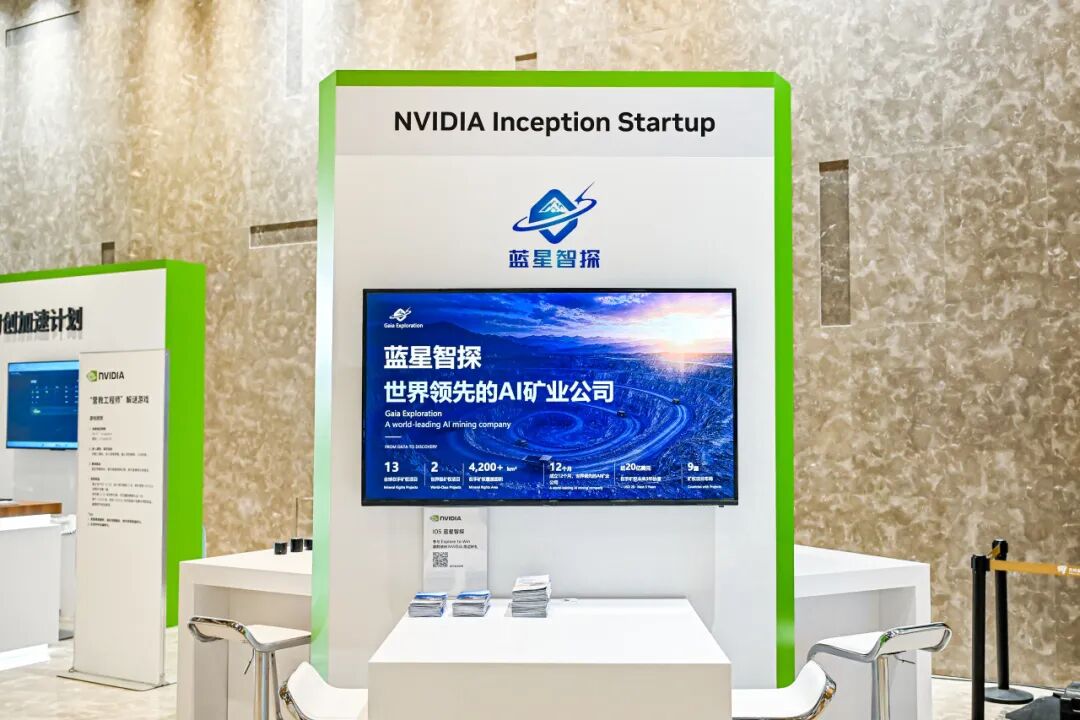
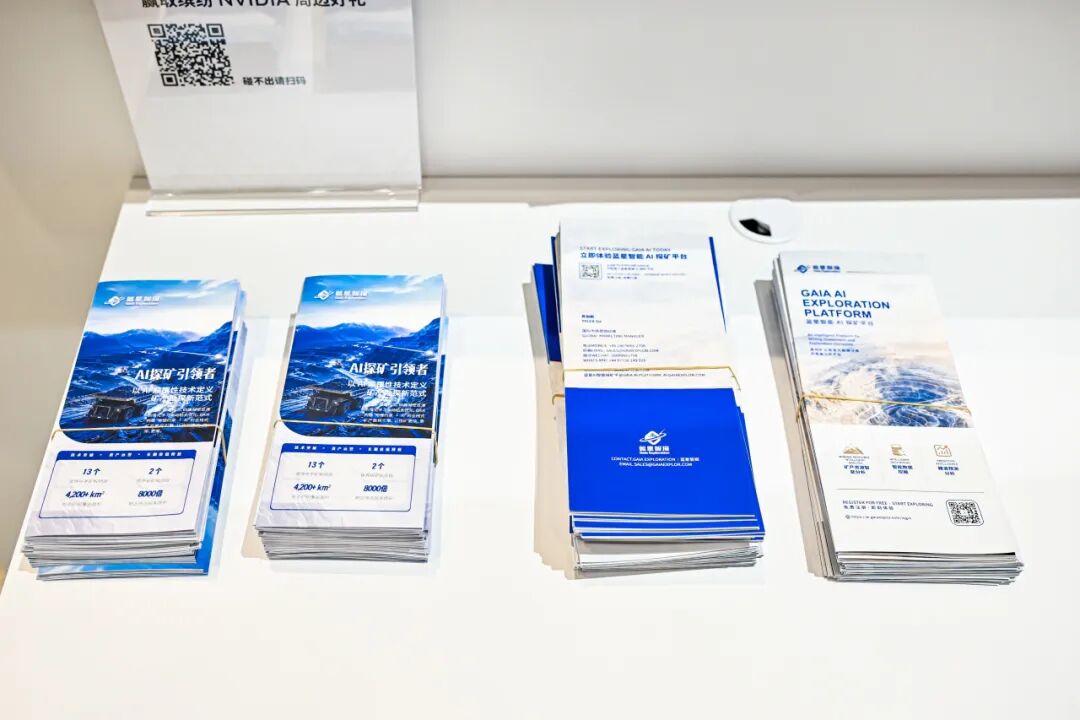
On 15 October 2026, the NVIDIA Inception Showcase—Midpoint Showcase was held in Suzhou. Marking the tenth anniversary of NVIDIA Inception and its showcase activities in China, the event brought together leading startups, investment institutions, major enterprises and ecosystem partners from across the country. Nearly 700 participants joined technical presentations, cross-sector roundtables, startup pitches and dedicated exhibition interactions, connecting AI technology, industrial demand and capital. This year's showcase ran for more than seven months across 11 cities, with 30 companies reaching the midpoint event to present work in AI agents, physical AI and industry applications. GAIA pitched “AI Mineral Exploration: Geoscience Intelligence and Critical-Mineral Discovery” and used its booth and on-site demonstrations to explain how geoscience AI serves real exploration projects.
Ten Years of Support for Startups
In her opening remarks, NVIDIA Global Vice President Liu Nianning reviewed the development of NVIDIA Inception. Since its launch in China in 2016, the program has supported startups at different stages through product and technical assistance, market communications, financing connections and business referrals. Membership in China has now exceeded 3,000 companies, reflecting the vitality of the country's AI startup ecosystem.
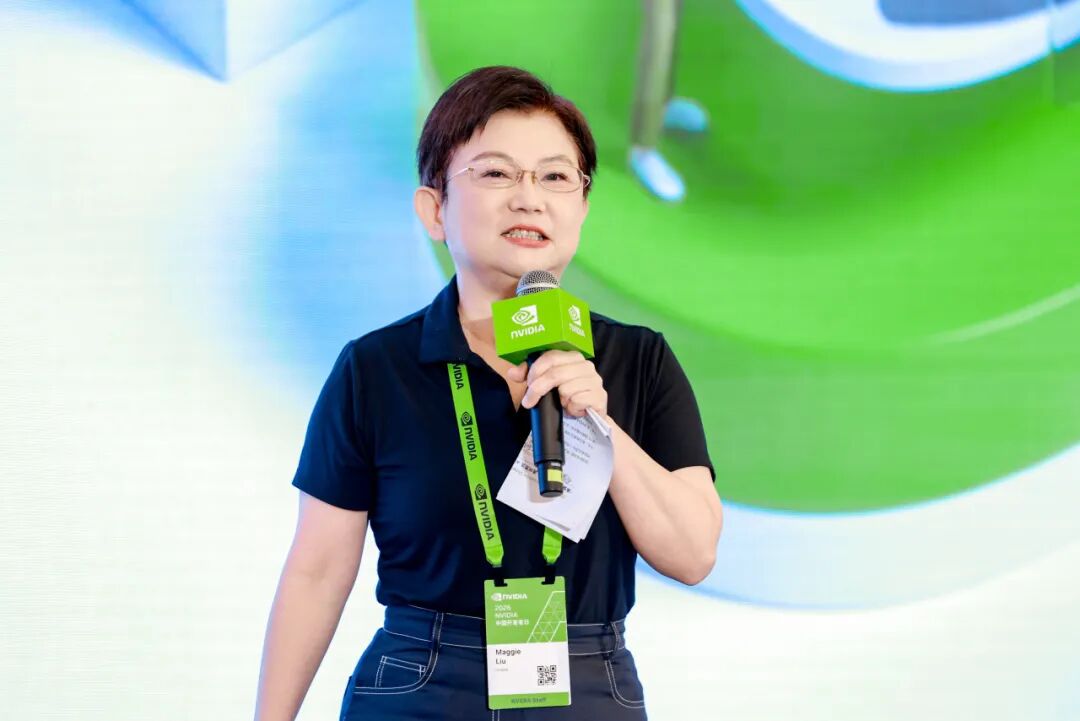
Liu also shared a framework for startups. She cited NVIDIA founder and CEO Jensen Huang's “PDF” concept for AI factories—Productive, Durable and Fungible—and extended it to AI company development. Every AI startup, she said, can be viewed as a miniature AI factory that continually creates intelligence and business value through data and computing inputs.
GAIA's Pitch
As AI enters more industries, mineral exploration is a field with a distinctive professional threshold: the object lies underground, data come from different periods and survey methods, and conclusions must be tested progressively through field work. GAIA's participation addressed how AI can help geological teams use information more effectively and plan exploration on a stronger basis.
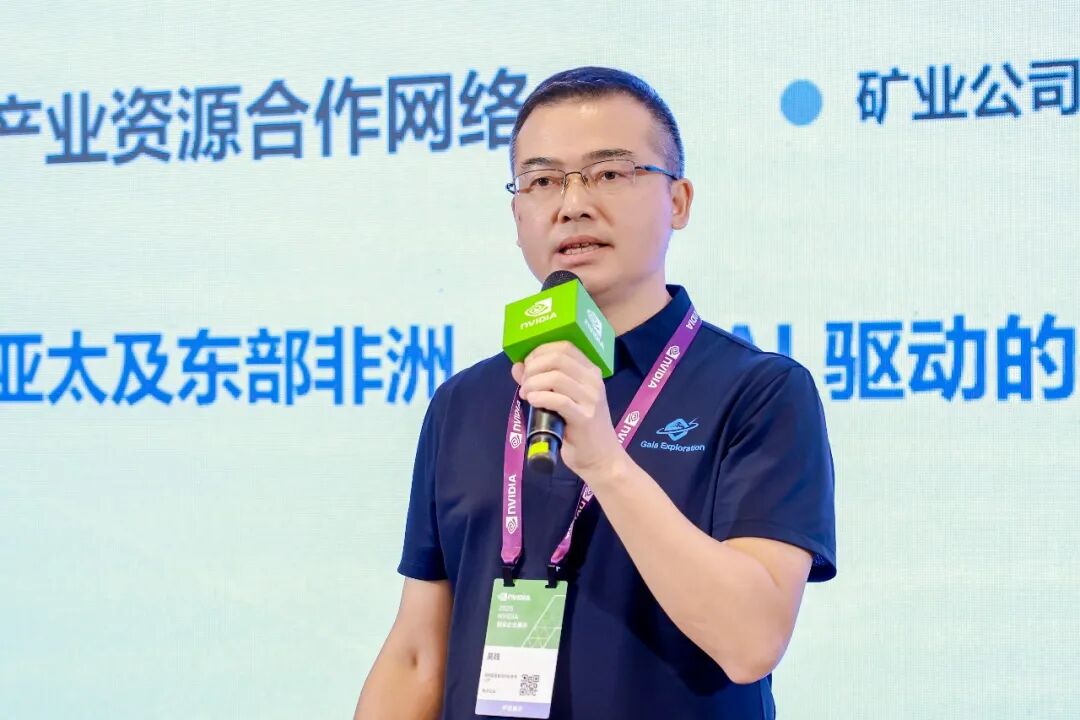
GAIA CFO Wu Jian delivered the pitch. Starting from resource discovery's position in the critical-mineral industry, he introduced the company's global project footprint, then discussed geoscience models, project cases and applications of NVIDIA GPUs before concluding with joint exploration and long-term model accumulation. The presentation revolved around one clear question: when data-analysis capability enters a real mining project, which decisions can it improve?
Resource discovery sits at the front of the mineral supply chain. Mining, processing, smelting and refining all depend on knowledge of the resource. For GAIA, the focus of AI exploration is to identify clues worth pursuing in dispersed material and direct limited exploration spending toward better-supported locations. That connected the technical presentation directly with practical mining needs.
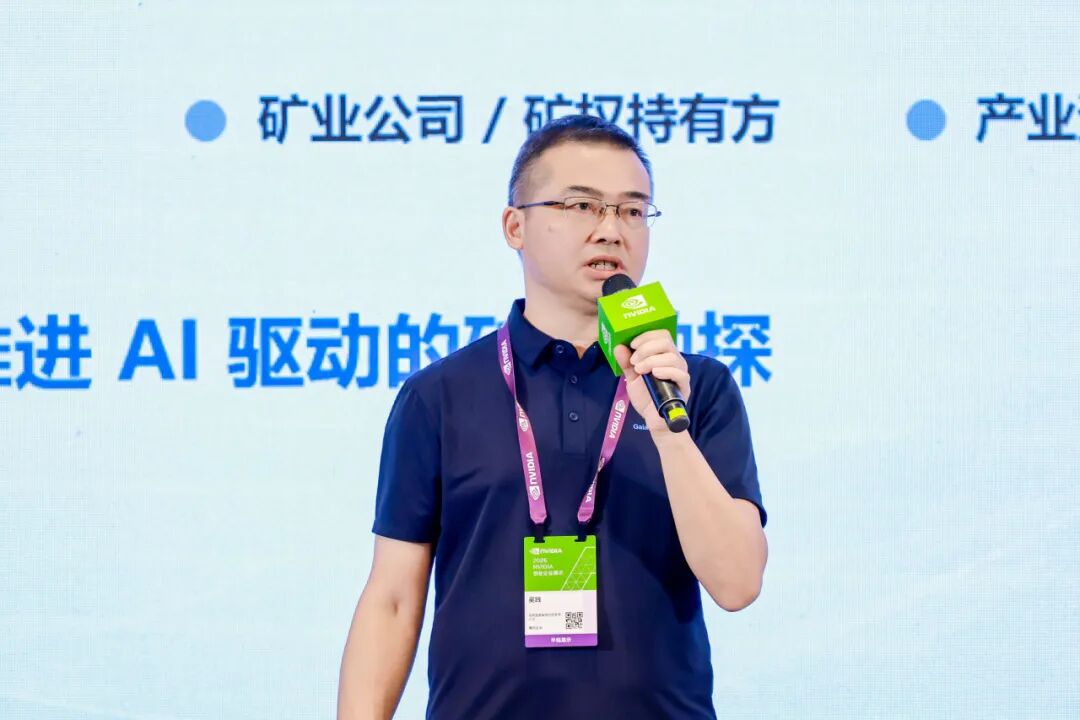
From the systematic explanation on stage to product and project discussions at the booth, geoscience problems remained central. Mineral exploration gives the technology ecosystem a clear need for AI to process complex spatial data, while the presentation gives mining participants a way to understand how geoscience AI works. Bringing those perspectives together presented the company's technical path more completely.
04Geoscience Intelligence
The technical thread of the pitch was to bring dispersed geoscience materials into a comparable, analysable workflow. Geological maps, geochemical data, geophysical surveys, remote-sensing imagery and drilling records describe different aspects of the same area. Connecting them requires professional knowledge and sufficient data-processing and computing capacity.
GAIA introduced five technical modules consisting of four specialist models and the GAIA Geoscience Agent Platform. The greenfield model evaluates prospectivity and screens and ranks targets; the deep-exploration model focuses on deep and concealed targets; the drilling-optimization model adjusts drilling as new data arrive; and the four-dimensional spatiotemporal inversion model reconstructs geological evolution and mineralizing processes.
The four specialist modules correspond to different exploration stages and decisions. Where systematic work is limited, teams first decide where investment is justified. When shallow clues exist, they study whether a deeper mineral system may be present. As drilling accumulates, new evidence updates the next deployment. The models create value in these successive choices.
For geologists' daily tasks, the GAIA Geoscience Agent Platform provides report analysis, remote-sensing analysis, and geochemical and geophysical analysis and design. It places AI in common information workflows to organize evidence, compare clues and support further study. The pitch also stated that the four specialist models currently serve JV/JO cooperation projects—joint ventures and joint operations—and are distinct from the scope of the daily-work platform.
This product structure gives each need an appropriate mode of use. Daily information work can run on the platform; specialist tasks such as deep prediction and drilling optimization are advanced with project-specific data and geology under a cooperation arrangement. Technical capability must align with project responsibility before model output can enter a real exploration workflow.
GAIA emphasized probabilistic judgment supported by multisource evidence and carried into field verification. Geologists decide which material to add, which locations to check first and which explanations remain viable. New observations continually revise earlier understanding. AI's efficiency value is realized through more focused professional work.
Project Evidence
After the technical introduction, project cases were essential to understanding GAIA's AI exploration approach. The pitch selected a Laos concession and an Indonesian project to show information analysis and deep exploration at different stages and how one technical method responds to different questions.
For a roughly 199 km² concession in Laos, GAIA showed an AI analysis completed in about 20 minutes and compared it with results developed by the owner over a much longer period. The point was to demonstrate how rapid analysis can organize clues, form target judgments and provide a reference for subsequent checks.
The time comparison concerns different work stages. AI performed information analysis and prediction; long-term geology included field investigation, data acquisition and validation. Their connection is the project's practical value. Existing work provides the basis, the model more quickly organizes directions worth pursuing, and later investigation tests whether they hold.
The case also presented GAIA's approach to deep mineral systems. Drawing on the regional metallogenic setting of North Sulawesi, the team analysed island-arc tectonics, regional faults and diorite-porphyry intrusions and proposed that known shallow gold may lie above or beside a deeper porphyry copper–gold system, focusing attention on deeper targets.
Multimodal geological modelling combined with structure, lithology and alteration supported the search for high-potential deep targets. The pitch identified 600–1,000 metres as the AI-indicated exploration-depth range. This is a model prediction that requires later exploration testing; any deep orebody and resource potential still need geophysics, drilling and other work to confirm them.
Both cases show a common characteristic: first form a systematic view from existing materials, then state targets that can be checked. Project teams can discuss priorities earlier, identify information gaps and link the next investment to specific geological questions.
Projects also feed back into technical development. Different data conditions, deposit types and work stages test where a model applies. Continual comparison between analysis and field evidence is necessary to build more explanatory and reusable exploration experience. That connection between cases and the technical system was an important part of the showcase.
06On-Site Discussion
Beyond the pitch, CFO Wu Jian introduced GAIA's products and applications to NVIDIA Global Vice President Liu Nianning and other guests. Discussions covered how geoscience AI serves exploration and how NVIDIA GPUs support research and project work, turning the overall pitch into specific computing tasks and use cases.
According to the showcase materials, GAIA uses NVIDIA GeForce RTX 5060 Ti GPUs for desktop AI algorithm development, model inference and geoscience-data processing. Applications include the GAIA Geoscience Agent Platform, remote-sensing recognition and anomaly extraction, target screening and spatial-data analysis, and local deployment and inference testing of open-source large models.
Each task has a clear business context. Remote-sensing work extracts relevant features from large spatial datasets; suspected illegal-mining-hole identification looks for suspicious objects and disturbance in mine imagery; and target screening connects spatial information with geological understanding. Computing supports these practical tasks that require repeated calculation, testing and review.
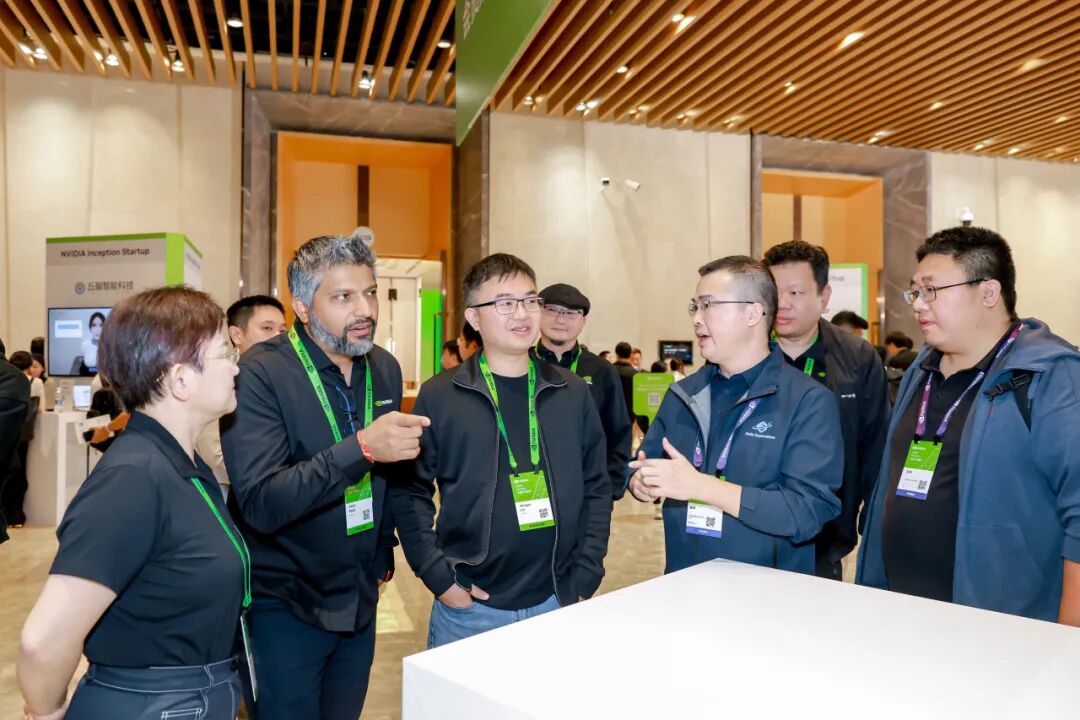
A local GPU development environment helps the team process multisource material, test models and update algorithms. Geoscience-AI methods often need adjustment when new information arrives before professionals review the output. Reducing computation and testing delays makes it easier to compare approaches promptly and return new project understanding to model development.
The pitch summarized the path as a connection among data processing, model inference and result validation. Platform response, geoscience feature recognition and local model iteration must all connect to feedback from real licences. NVIDIA GPUs provide the computing support that keeps algorithms under development in workstation environments and brings them into real application workflows.
The on-site discussions presented specific needs and product practices: how geoscience data are processed, models iterated and results used for professional judgment. Task-focused communication helps technology partners understand AI needs in mining and provides a basis for later product, research and application cooperation.
Global Practice
The showcase also emphasized global projects and AI capability. GAIA's footprint covers Southeast Asia, Central Asia and Africa, providing geoscience models with settings across different regions and commodities.
The value of geographic coverage must be understood through specific geology. Metallogenic backgrounds, surface conditions and data completeness vary, so a method entering a new project must be reassessed for its applicable conditions. Global projects let GAIA compare and test continually, keeping model development connected with real problems.
The pitch described GAIA's cooperation path: technical analysis identifies risk, predicts targets and orders work, then joint exploration brings model judgments to the field. As validation advances, understanding of resource potential deepens. Cooperation can combine technical contribution and project progress to explore equity participation and joint development.
This model keeps GAIA's technical work connected with later project progress. Targets in an analytical report must face new field evidence; questions found in the field affect the next data processing and model judgment. The technical team learns how recommendations perform in practice, while the project team receives support that adjusts as information changes.
For future development, GAIA proposed accumulating models by metallogenic belt, commodity and deposit type and set a planning target of more than 10,000 exploration models by 2027. Such accumulation means reusable decision experience under corresponding conditions; whether the target is achieved still depends on subsequent projects, data and research.
This part of the pitch also explained GAIA's view of competitiveness. AI exploration needs algorithms and computing, but also access to project opportunities, a professional team that understands geological problems and continually updated validation material. Organizing those conditions into one system is the basis for turning technology into long-term project capability.
The Suzhou showcase showed GAIA placing products, research applications and project practice on one connected path. Global coverage supplies settings, geoscience models support analysis and joint exploration brings feedback. The accumulation of this work is important evidence of GAIA's professional capability in AI mineral exploration.
08Recognition for Excellence
During the certificate presentation, a company representative received the “Midpoint Showcase—Outstanding Company” certificate, recording an important moment in GAIA's Suzhou visit. Reaching the midpoint showcase, completing the pitch and product discussions, and receiving interim recognition together formed the outcome of the event.
The certificate records GAIA's stage performance on the startup showcase platform. The company presented geoscience intelligence and critical-mineral discovery, explained the product system, computing needs and project path for AI exploration, and used face-to-face discussion to show how technology enters a specialist industry.
The value came both from the stage and from more concrete communication between technology and industry. Data complexity, spatial-analysis needs and field validation in mineral exploration pose clear questions for AI. Explaining them helps partners understand GAIA's research direction and supports more focused follow-up discussions.
The pitch concentrated GAIA's progress: the platform for geologists became part of the showcase; specialist models connected to cooperation projects; NVIDIA GPU applications were grounded in research and data tasks; and overseas projects offered environments for continual technical testing. These elements gave the company's capability tangible subjects for explanation and discussion.
After recognition, the more important work returns to projects. GAIA will continue research in geoscience-data processing, target judgment and exploration decisions, test existing ideas against new field information and convert project feedback into improvement. Technical credibility accumulates through this work.
For a company focused on AI mineral exploration, presenting its work clearly on a cross-industry innovation platform and gaining opportunities for demonstration and discussion is progress worth recording. The Suzhou event brought a fuller picture of GAIA into the technology-startup ecosystem and created a new starting point for technical dialogue and project cooperation.
—Conclusion
From the pitch stage in Suzhou to exploration sites across different metallogenic belts, GAIA remains focused on one question: how can every exploration decision rest on stronger evidence?
At the NVIDIA Inception Showcase—Midpoint Showcase, GAIA brought together technical introduction, case studies, executive discussion and certificate presentation. It made AI exploration work more concrete and showed progress in combining computing, geoscience understanding and real projects. The “Midpoint Showcase—Outstanding Company” certificate marked that stage of achievement.
GAIA will continue to advance geoscience-AI research through real projects, improve products for geological professionals and test models through joint exploration. Making data analysis serve resource discovery more effectively and providing professional judgment with timely technical support remain its direction.
After the spotlight fades, new materials will still arrive and new targets will still require testing. GAIA will bring the momentum of the showcase back to every model iteration and exploration project so that the value of AI mineral exploration is validated through sustained practice.